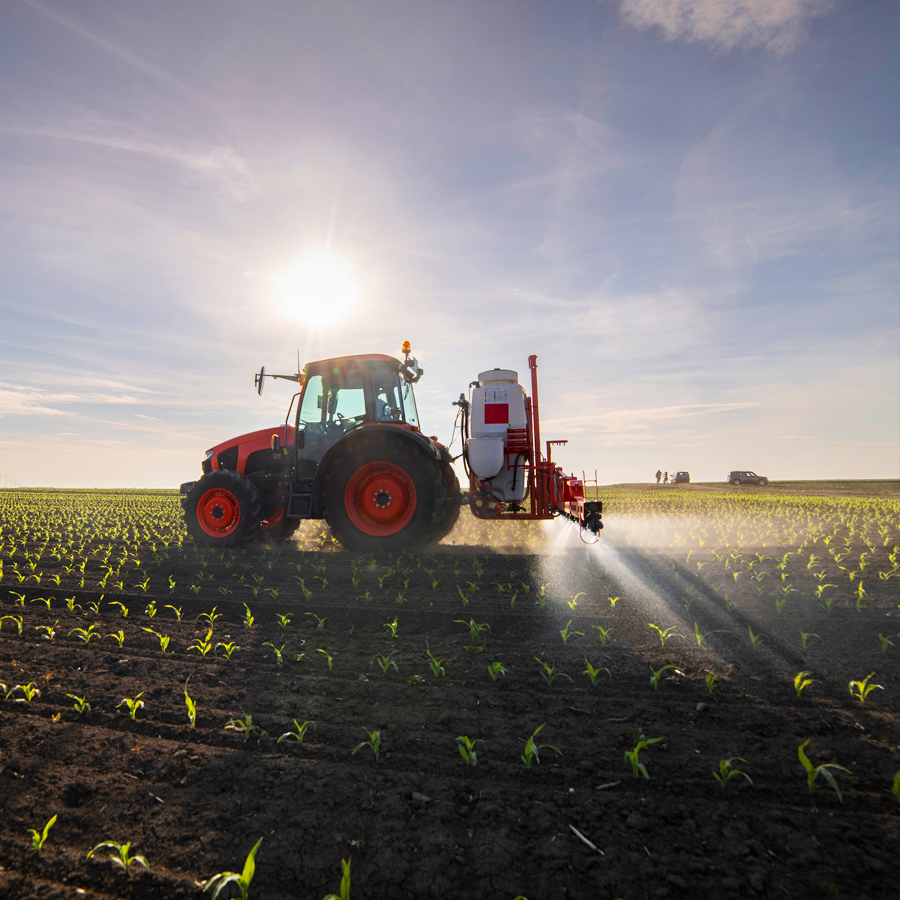
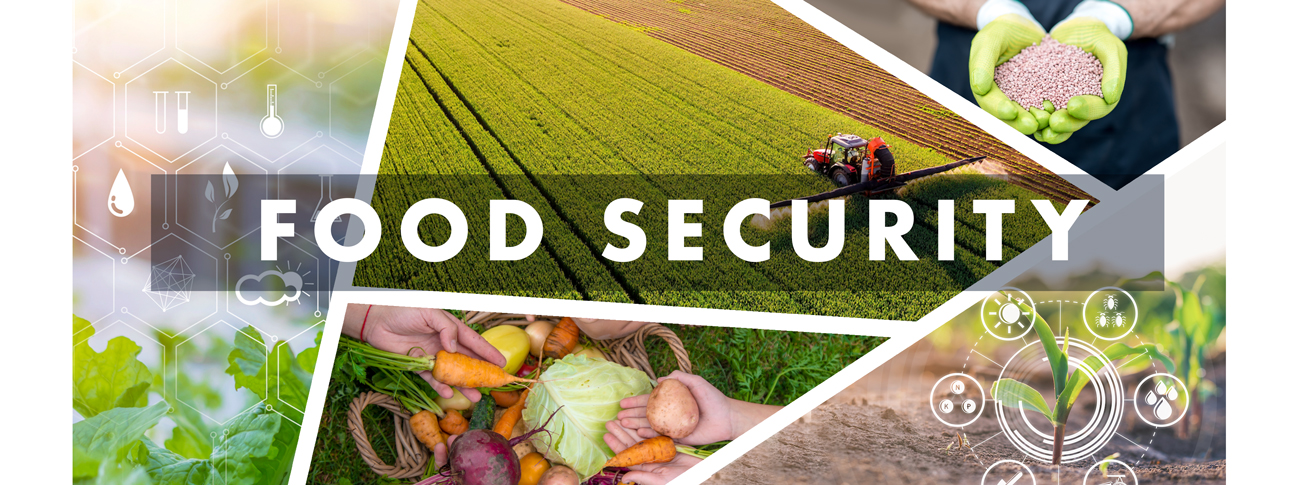
It is the fertilizer industry that carries the weighty responsibility of meeting food demand, advancing fight against hunger and keeping agriculture sustainable. To do this, the industry constantly goes with the tides, staying innovative and adopting cutting-edge technologies that enhance sustainable productivity.
Each year, more companies worldwide aspire to earn the Industry Stewardship Champion label – a mark of genuine technological and environmental progress. This initiative is part of the International Fertilizer Association’s broader mission to strengthen food security efforts across borders.
Key areas in focus

Green Ammonia & Low-Carbon Fertilizers
Driven by global climate commitments, the fertilizer industry is embarking on one of its most significant transitions to date. Aiming to become climate-neutral by 2050, the sector is advancing a comprehensive decarbonization strategy centered on green fertilizers, namely low-carbon ammonia.
Unlike brown ammonia, green ammonia is made with renewable energy instead of fossil fuels. Though it maintains the same chemical composition as traditional one, it delivers a drastic reduction in emissions, cutting the carbon footprint by up to 95%. Moreover, its production results in a well‑documented, transparent emissions profile, making green ammoniaan appealing choice for climate-conscious businesses. Unsurprisingly, interest in this next-generation fertilizer is soaring. Countries across the globe are expanding green-fertilizer R&D, pushing the premium market toward a projected $3.4 billion by 2035.
Precision Agriculture & Digital Fertilizer Optimization
The adoption of precision agriculture is marked as one of the most revolutionary moments in modern farming. Invented to optimize every stage of crop cultivation, this tech-driven model possesses an unlimited transformative power for the industry. It can help tackle both economic and environmental issues and become a key in balancing the sometimes competing goals of sustainability and food security.
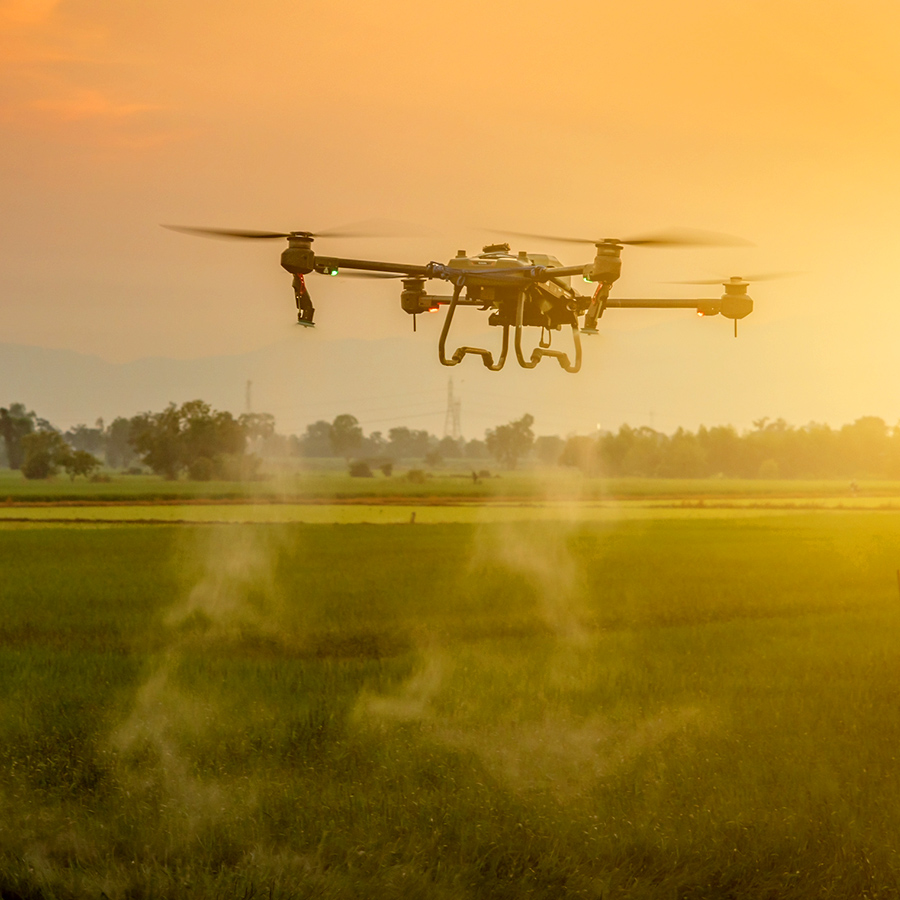
Precision agriculture unlocks vast potential for efficient and smarter resource management. It uses a wide of range of innovative tools, like GPS-guided equipment, drones, sensors and data analytics, including AI and machine learning. They make it possible to apply fertilizers exactly where and when they are needed, thus positioning fertilizer companies as true tech-enabled partners to farmers.

Circular Economy & Waste-to-Nutrient Technologies
The concept of a circular economy is increasingly gaining influence across industries as a sustainable alternative to the traditional linear model. For agriculture, confronted with a looming 70% surge in food demand by 2050, embracing these principles seems not just relevant but imperative. Acknowledging this, industry stewardship champions work across and beyond their field to ensure circular economy practices benefit both partners and the environment.
The circular economy in agriculture is a model in which the generation of waste is minimized and raw materials remain in use for as long as possible. According to the United States Department of Agriculture, 30–40% of the food supply today ends up wasted. In the fertilizer industry, recirculating this waste creates opportunities to return nutrient-rich material to agricultural use and ensure responsible management of finite natural resources.
Emerging Market Demand Boom
The global fertilizer market has traditionally been characterized by stable growth of approximately 3 % per year. By 2025, its volume has reached nearly 200 million tons. Fertilizers are already used to grow crops that feed half of the world’s population. Contributing significantly to agricultural productivity, they increase yields by an average of 31% and nutritional value by 12%.
With growing concerns about global food security, demand for fertilizers is increasing significantly. Governments are striving to strengthen food security policies and ensure access to sufficient nutritious food. Producers are turning to more efficient farming methods to maximize crop yields. Meanwhile, consumers increasingly seek healthier and eco-friendlierfood options. Fertilizers play a key role in achieving all of the goals set, making it crucial for the industry to remain open to new opportunities, innovation and collaboration.
Vertical Farming & Controlled Environment Agriculture (CEA)
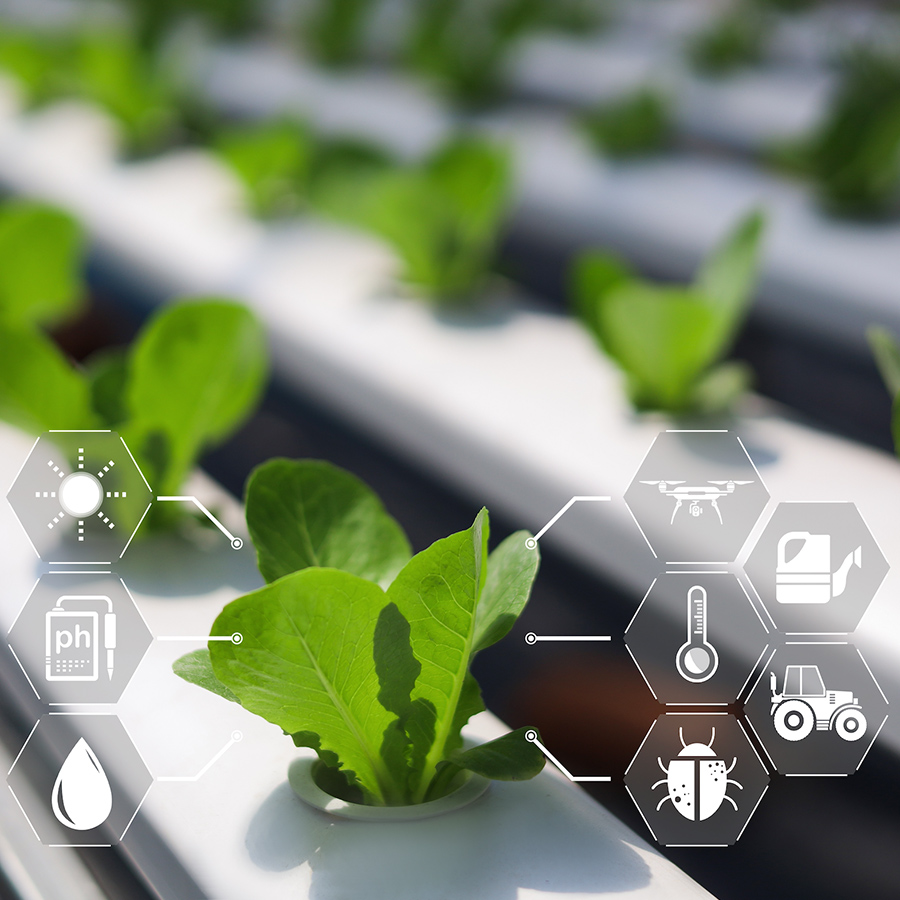
Agriculture today uses half of the world’s habitable land for its operations, leading to growing issues such as water stress, soil fertility loss and global inequality. To address these challenges, industry leaders are increasingly turning to Controlled-Environment Agriculture (CEA). Having developed over the last century, the practice is set to grow at a 14 % CAGR, driven by its clearly valid focus – on indoor cultivation with precise environmental control.
The potential of CEA is undeniable: from ensuring food security on Earth to supporting human life beyond the planet. By controlling temperature, humidity and nutrient levels, crops grow efficiently regardless of weather conditions, allowing year-round production of fresh, local food. Moreover, fertilizers are delivered directly to roots, cutting water use by up to 90 % and preventing runoff, making farming both productive and sustainable.
Soil Health & Regenerative Agriculture
The global fertilizer market has traditionally been characterized by stable growth of approximately 3 % per year. By 2025, its volume has reached nearly 200 million tons. Fertilizers are already used to grow crops that feed half of the world’s population. Contributing significantly to agricultural productivity, they increase yields by an average of 31% and nutritional value by 12%.
With growing concerns about global food security, demand for fertilizers is increasing significantly. Governments are striving to strengthen food security policies and ensure access to sufficient nutritious food. Producers are turning to more efficient farming methods to maximize crop yields. Meanwhile, consumers increasingly seek healthier and eco-friendlierfood options. Fertilizers play a key role in achieving all of the goals set, making it crucial for the industry to remain open to new opportunities, innovation and collaboration.